Why younger generations are drawn to climbing: the top motivations behind the trend – Part 2
A sport that rewards problem-solving
Younger generations are often attracted to experiences that stimulate the mind as much as the body. Climbing stands out because it is not just about strength. Technique, coordination, strategy, and decision-making matter just as much. This makes each route feel like a puzzle.
That problem-solving element is a key reason many beginners become long-term climbers. The sport feels intellectually satisfying. It rewards experimentation, creativity, and persistence, which makes success feel earned rather than automatic.
Low pressure compared to many other sports
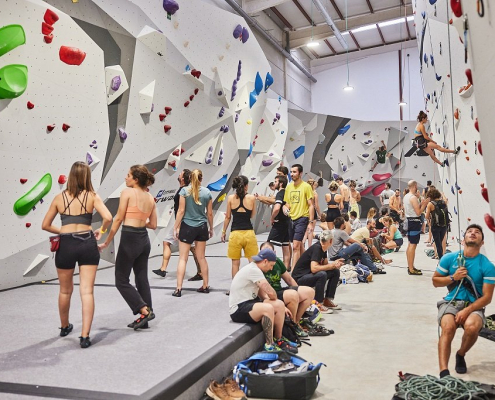
Traditional sports can sometimes feel intimidating, especially for people who did not grow up in competitive athletic environments. Climbing often feels different. Many gyms allow beginners to start at their own pace without the pressure of formal teams, public performance, or strict expectations.
This lower-pressure entry point is particularly appealing to younger people who want to try something new without fear of judgment. They can explore, fail, retry, and improve in a space that often feels more supportive than competitive.
A break from digital life
Younger generations are deeply connected to digital devices, but many are also actively searching for ways to disconnect. Climbing provides a rare combination of physical engagement and mental immersion that pulls attention away from screens. It demands full participation in the present moment.
That real-world intensity is part of the appeal. In a culture shaped by constant notifications and online comparison, climbing offers something immediate, physical, and real. It brings people back into direct contact with effort, risk, movement, and achievement.
Accessibility through indoor climbing gyms
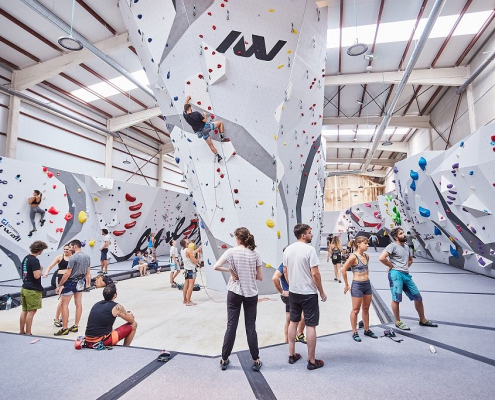
The growth of indoor climbing gyms has made the sport much easier to try. Younger generations no longer need to live near mountains or know experienced climbers to get started. They can enter a local gym, rent equipment, and begin with introductory routes in a controlled environment.
This accessibility has removed many of the barriers that once kept climbing out of reach. As a result, more young people now see climbing as a realistic first-time activity rather than a distant extreme sport.
Why climbing resonates so strongly with younger generations
The most common motivations younger generations have for trying climbing are closely connected to the way they live and what they value. They want fitness that feels engaging, communities that feel real, challenges that lead to growth, and experiences that support mental well-being. Climbing brings all of these elements together in one activity.
That is why its popularity continues to grow. For younger people, climbing is not just about getting to the top of a wall. It is about movement, meaning, progress, and connection. In a world where many are searching for activities that feel both healthy and authentic, climbing stands out as a natural choice.