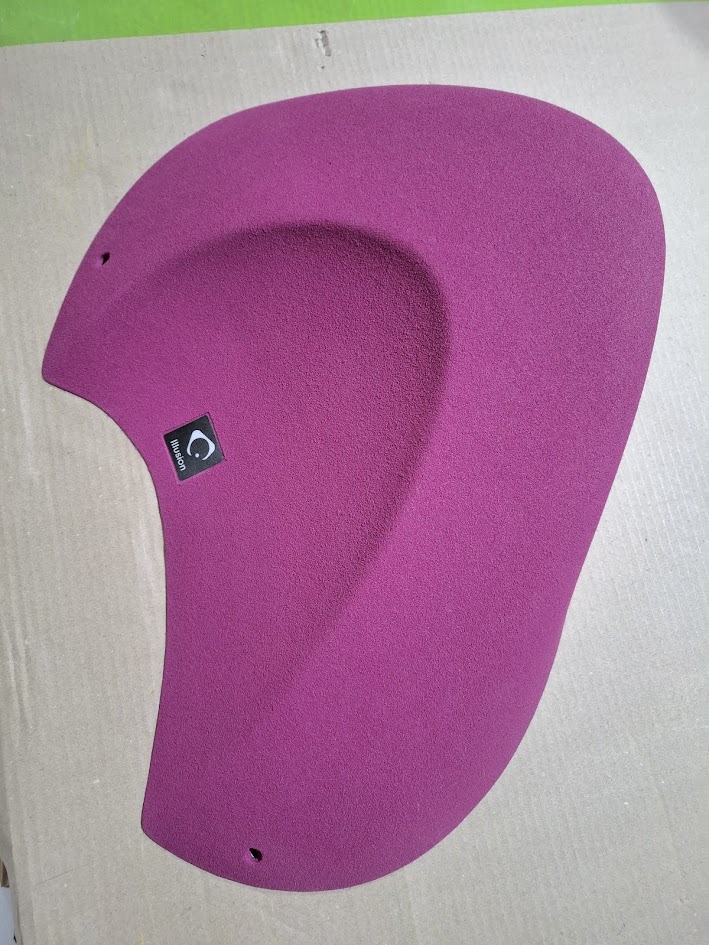
Why macros are made from fiberglass
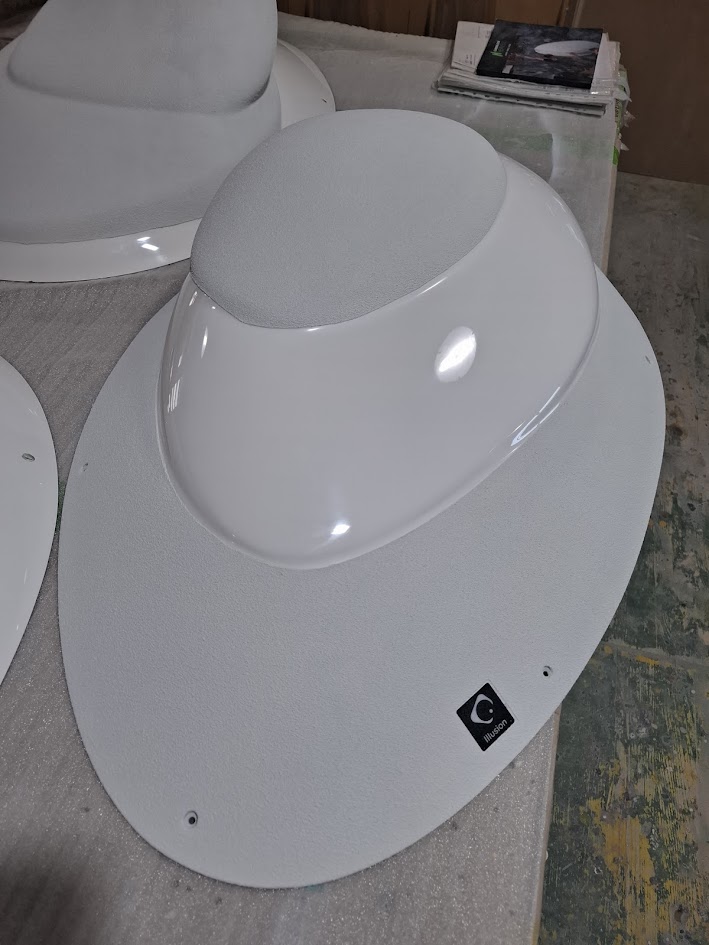
Macros are large climbing holds and wall features used to create more dynamic, modern and visually striking climbing routes. Because they are bigger than standard holds and often have complex shapes, they need to be strong, lightweight, durable and easy to install. This is why fiberglass has become one of the most commonly used materials for climbing wall macros.
One of the main advantages of fiberglass is its excellent strength-to-weight ratio. Macros can be very large, but they still need to be light enough for route setters to move, position and mount safely. If macros were made from heavier materials, installing and changing routes would be slower, harder and less practical. Fiberglass allows manufacturers to create large volumes without making them unnecessarily heavy.
Fiberglass is also highly durable. Climbing macros are exposed to constant pressure, impacts, friction from climbing shoes and repeated use in commercial climbing gyms. A well-made fiberglass macro can withstand these conditions while retaining its shape and structural integrity. This makes it suitable for both training walls and high-traffic climbing facilities.
Another important reason is design flexibility. Fiberglass can be shaped into complex forms, including rounded volumes, sharp angles, slopers, edges and large sculptural surfaces. This gives climbing wall manufacturers and route setters much greater creative freedom. With fiberglass, macros can be designed not only as functional climbing features, but also as visual elements that define the style and character of a climbing wall.
Fiberglass also makes it easier to create hollow structures. This is especially important for large macros, because a hollow design reduces weight while still providing the necessary rigidity. The result is a macro that looks substantial on the wall but remains manageable during transport, storage and installation.
Surface texture is another major benefit. Fiberglass macros can be finished with different textures, from fine friction surfaces to more aggressive climbing-friendly coatings. This allows manufacturers to control how the macro feels under the climber’s hands and feet. A good surface texture improves grip, supports better movement and helps route setters create specific climbing challenges.
Fiberglass is also resistant to moisture and many environmental influences, which makes it a reliable material for long-term use. Although most macros are used indoors, resistance to humidity, cleaning and general wear is still important in climbing gyms. This contributes to a longer product life and lower replacement costs.
In addition, fiberglass macros can often be repaired more easily than many other materials. If a macro is damaged, professional repair methods can restore its structure and surface, extending its usable life. This is a practical advantage for climbing gyms that regularly update routes and need equipment that can remain in service for years.
For climbing wall manufacturers, fiberglass offers a balanced combination of performance, durability, low weight and creative freedom. It allows them to produce macros that are large, strong, visually appealing and practical for everyday gym use. For route setters and climbers, this means more interesting movement, safer handling and a wider variety of climbing experiences.
For these reasons, fiberglass remains one of the best materials for climbing wall macros. It combines strength, low weight, design flexibility, durability and reliable surface performance — all essential qualities for modern climbing walls.