
How to design a home climbing corner: walls for kids, adults, and recreational users
Why install a climbing wall at home?
Home climbing walls are becoming increasingly popular among families, athletes, and recreational users who want a functional and fun space at home. Whether you’re encouraging physical activity in kids, enhancing a home gym, or adding a unique element to your living space, a home climbing corner is a smart investment.
Climbing walls for kids: play, development, and safety
For young children, climbing is a natural motion — just like play. A home climbing wall for kids should be low, colorful, safe, and motivating. Recommended height is up to 1.5–2 meters, with soft padding underneath (e.g., gym mats or foam). Bright colors, shapes, and themed grips help stimulate imagination and motor development.
Walls for adults: compact home fitness
If you don’t have time for regular gym visits, a climbing wall for adults can become your go-to home workout tool. Bouldering panels with steeper angles, adjustable height, and route variety allow you to train strength, endurance, and coordination. These walls can fit in a garage, basement, hallway, or even a living room — all you need is a few square meters of vertical space.
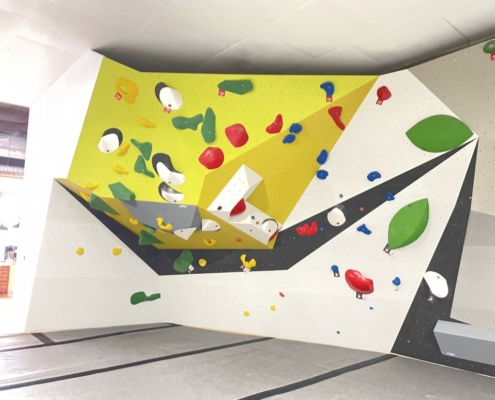
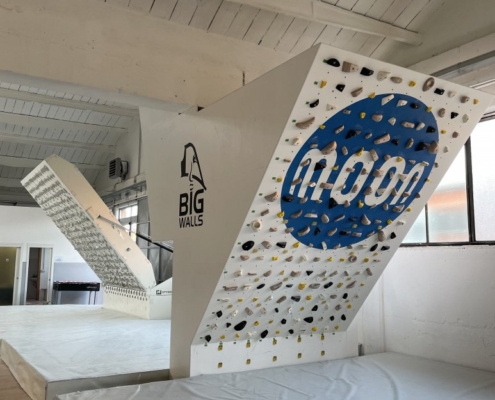
Climbing corners for recreational use and the whole family
Combined walls that offer activity for all ages are ideal for families. The lower part of the wall can be child-friendly (gentle incline, small holds), while the upper section is designed for adults (more challenge, stronger grip). It’s a great way to turn physical activity into a family routine. The wall can be installed in a living room, attic, or even outdoors.
Where and how to install the wall – space, safety, and maintenance tips
-
Ideal height: Up to 2 m for kids; 2.5–3.5 m for adults and bouldering
-
Padding: Always use foam flooring, crash mats, or martial arts pads
-
Material: Plywood or modular wooden panels with UV protection are common
-
Maintenance: Occasional bolt checks, dust wiping, surface disinfection
-
Installation: Professional installation is recommended for safety, though many models are DIY-friendly
