Behind the wall: how climbing routes are born
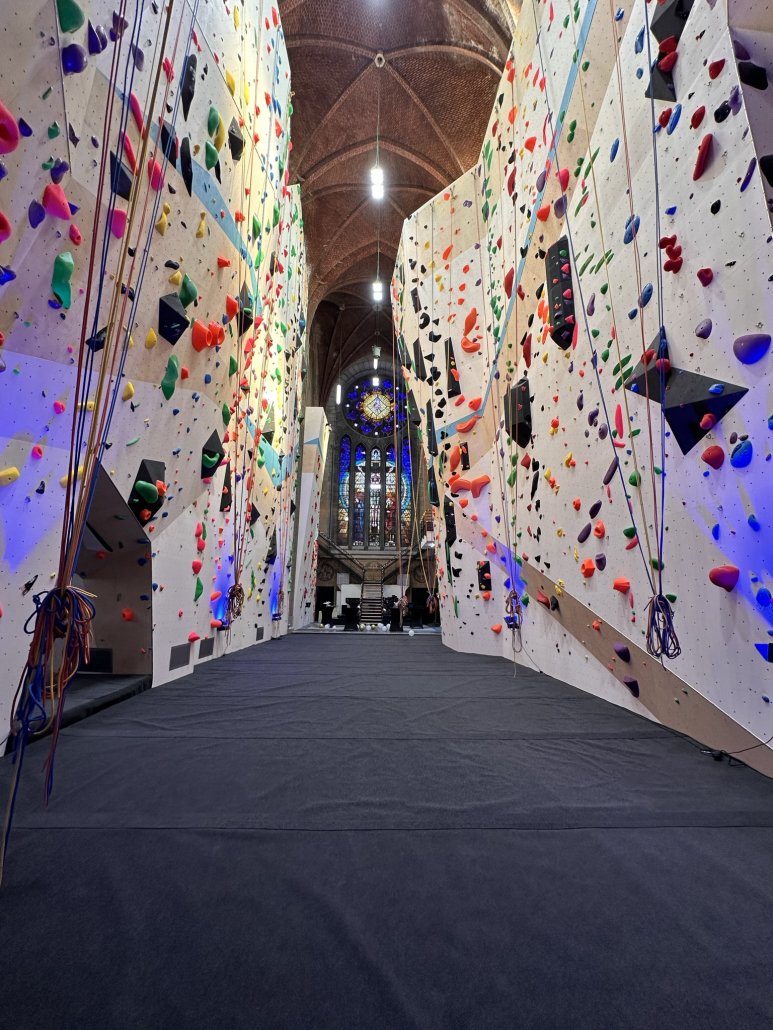
If you’ve ever walked into a climbing gym and looked up at a wall covered in colorful shapes, you’ve probably wondered:
“How do they decide where to put all those things?”
Those “things” are called holds, and what you’re looking at is a carefully designed puzzle — not random chaos. Every twist, stretch, and leap was imagined by someone with a wrench, a vision, and a deep understanding of human movement. That person is a routesetter, and they’re the artists behind the wall.
This article pulls back the curtain on how climbing routes are created, how their difficulty is decided, and why the type of hold under your fingers can make or break your ascent.
Wait, what is a “climbing route”?
Let’s start from zero. A climbing route (or “problem” in bouldering) is a planned path up the wall using specific holds. The holds are usually marked by color — follow only red, or only blue, and you’re on a route. The aim? Get from the start to the finish hold, using only that color.
It’s not just about getting up. It’s about how you get up: the decisions, the balance, the surprises. Good routes make you think as much as move.
Creating a route: part logic, part chaos, all creativity
Building a climbing route starts with a plan. Or… at least an idea.
Some setters start with a theme — like “slow and technical,” or “explosive and dynamic.” Others begin with a specific move they want to highlight, like a heel hook or a jump. Some even base routes off music or emotions (yes, really — climbing is expressive like that).
Once the idea is in place, here’s how the process goes:
-
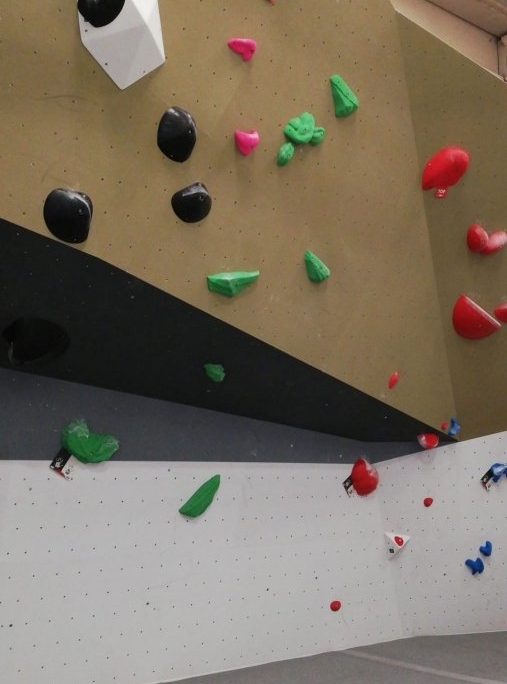
Choosing a wall section – Vertical walls are easier. Steep overhangs are more demanding. Corners and features add spice.
-
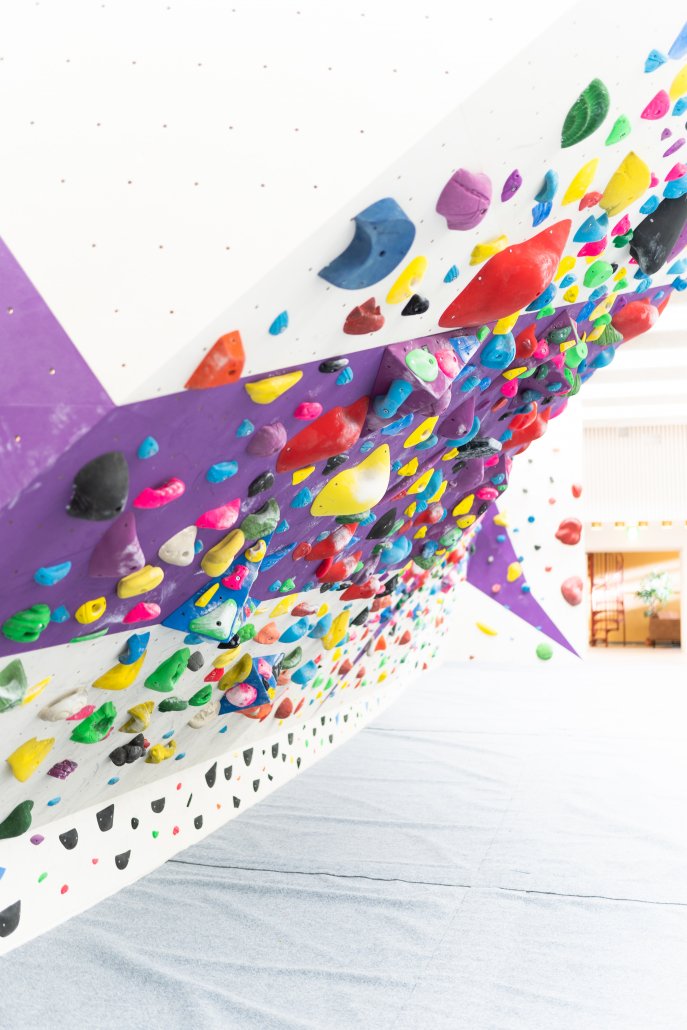
Picking holds – Big? Small? Smooth? Sharp? Holds come in every shape imaginable.
-
Screwing them in – Literally. Setters attach them with power drills and big bolts.
-
Testing the route – Is the move fun? Is it too hard? Too awkward? Setters climb, tweak, and sometimes rebuild entire sections.
-
Grading it – Based on how it feels and how other testers perform.
The result is something that feels intentional — a journey from ground to top with a specific challenge in mind.
What makes a route hard?
Not all routes are created equal. Here’s what sets a casual cruise apart from a finger-shredding beast:
1. Hold type
Big comfy ones are called jugs — like grabbing a doorknob. Small ones? Crimps — think fingernail ledges. Then there are slopers (imagine palming a basketball) and pinches (like squeezing a baguette standing on end).
The worse the holds, the harder the climb.
2. Wall angle
Flat wall = balance and footwork.
Overhang = core strength, endurance, and pumpy arms.
Slab (leaning toward you) = pure technique and sometimes… humility.
3. Spacing
Short arms? Long reach? Big gaps between holds can make a route harder — or feel impossible — depending on your body type.
4. Sequencing
Sometimes the hard part isn’t the hold — it’s figuring out what to do. Should you cross over? Match hands? Turn your hips? Good routes make you stop and think mid-move.
5. Resting spots
If you can shake out and recover mid-route, that changes everything. No rests? You’re in for a pumpy ride.
Holds, volumes, and route styles by difficulty
Beginner routes (grades 3 to 5c / V0-V1)
-
Holds: Huge, friendly jugs. They feel like stair rails.
-
Volumes: Big geometric shapes used for stepping and balance.
-
Style: Straightforward — climb up like a ladder with color-coded rungs.
Perfect for your first day. You’ll learn to trust your feet, move your hips, and breathe.
Intermediate routes (grades 6a to 7a / V2-V4)
-
Holds: Smaller edges, slippery slopers, maybe even a few tricky pinches.
-
Volumes: Now they’re not just for standing — you might have to grab, press, or smear against them.
-
Style: Requires strategy. You might not succeed on the first try — and that’s the point.
This is where climbing becomes a mental game. Beta (route knowledge) matters. Creativity helps.
Advanced to elite (grades 7b+ / V5 and up)
-
Holds: Sometimes there are barely any. Micro-crimps. Dual-tex holds (only part of it is grippy). Frustrating slopers.
-
Volumes: Giant fiberglass shapes used for wild coordination moves and parkour-style jumps.
-
Style: Brutal, beautiful, and unforgiving.
You’ll need strength, flexibility, timing, and nerves of steel. One mistake, and you’re off the wall.