Indoor vs outdoor sport climbing: How climbing walls, towers and rock faces differ – Part 3
Safety and inspection differences
All sport climbing requires safety awareness, but the wall type changes the safety system.
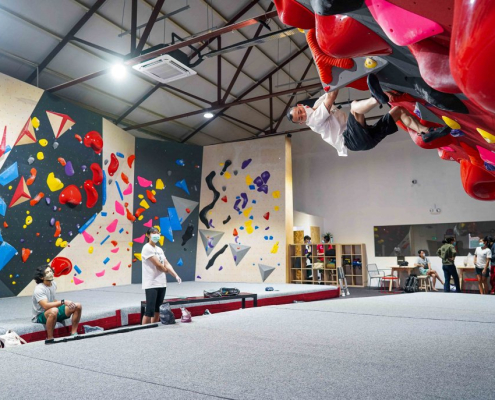
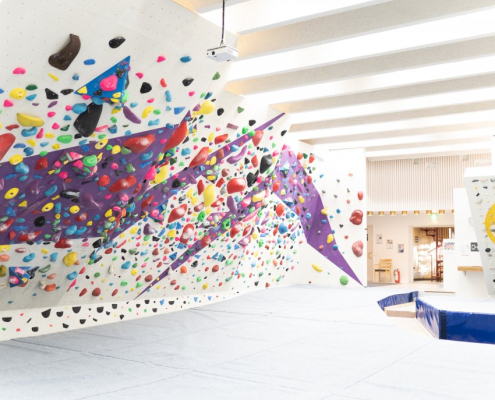
Indoor climbing walls are usually managed by trained staff in a controlled facility. Wall structures, anchors, ropes, quickdraws, mats, belay areas and lead routes can be inspected regularly. Environmental variables are limited.
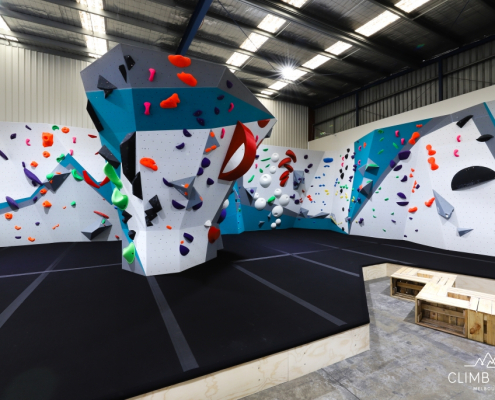
Outdoor artificial walls and towers require both climbing-safety inspections and structural inspections. The wall is exposed to weather, so anchors, bolts, frames, foundations, panels and holds must be checked for wear, corrosion, movement and damage. Public or semi-public installations may also require clear rules, access control and routine maintenance records.
Natural rock walls require a different kind of judgment. Climbers must consider bolt quality, anchor condition, loose rock, ledges, route length, weather, approach terrain and local ethics. Rock can break. Holds can change. Bolts may age. Conditions may become unsafe after rain or during extreme heat, cold or wind.
In other words, indoor safety is mainly managed through facility control. Outdoor artificial wall safety depends on engineering, weather-resistant design and maintenance. Natural rock safety depends on equipment, fixed protection, environmental judgment and respect for the crag.
Durability and maintenance
Indoor walls are easier to maintain because they are protected. Holds can be washed. Panels can be inspected without weather complications. Routes can be reset frequently. The wall is used heavily, but in stable conditions.
Outdoor artificial walls and towers face more demanding maintenance. Sun can fade holds. Rain can leave dirt or algae. Metal parts can corrode if not properly specified. Water can damage poorly drained structures. Temperature changes can affect materials over time. Maintenance planning is not optional; it is part of the wall’s long-term performance.
Natural rock cannot be maintained in the same way. Climbers can brush holds responsibly, replace worn fixed gear where permitted, and follow local rules, but they cannot simply replace the wall. If a natural hold breaks, the route changes permanently. If a popular foothold becomes polished, the character of the route changes.
This is one of the biggest ethical differences. Artificial walls are managed assets. Natural rock is a shared outdoor resource.