Indoor vs outdoor sport climbing: How climbing walls, towers and rock faces differ – Part 4
Accessibility and purpose
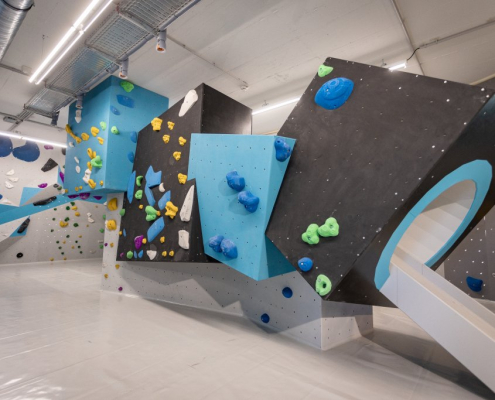
Indoor climbing walls are usually the most accessible. They are ideal for beginners, training, competitions, classes, youth programs and regular practice. They provide controlled progression and a wide range of grades in one location.
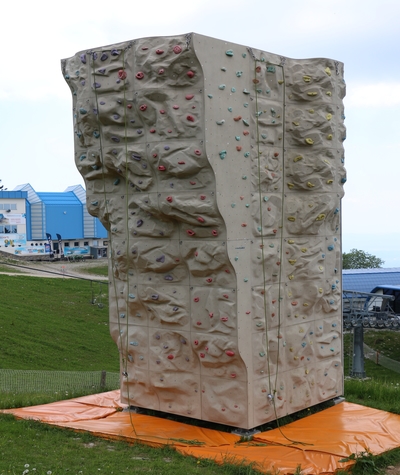
Outdoor artificial walls and towers are especially useful for schools, municipalities, camps, parks, adventure centers and facilities that want outdoor climbing without relying on natural cliffs. They can bring climbing to places where there is no suitable rock. They can also serve as public landmarks, training structures or outdoor recreation assets.
Natural rock offers the most authentic outdoor climbing experience. It connects sport climbing with landscape, geology and adventure. However, it also requires more knowledge, preparation and respect for access rules, environmental limits and local climbing ethics.
Each wall type has a different purpose. Indoor walls maximize control and training. Outdoor artificial walls combine engineered climbing with an outdoor setting. Natural rock offers complexity, character and environmental connection.
Which type of wall is best?
There is no single best type of sport climbing wall. The best choice depends on the goal.
For regular training, indoor walls are hard to beat. They provide year-round access, frequent route changes and controlled conditions.
For outdoor recreation, instruction and public climbing facilities, outdoor artificial walls and towers are extremely useful. They create climbing opportunities where natural rock may not exist or may not be suitable for heavy use.
For climbers seeking natural movement, route-reading complexity and the full outdoor experience, natural rock is unique. No artificial wall can fully reproduce the variety and character of a real crag.
The most complete climbing experience often comes from using all three. Indoor walls build strength and technique. Outdoor artificial walls help climbers adapt to open-air climbing on engineered structures. Natural rock teaches judgment, patience, movement efficiency and respect for the environment.