Why younger generations are drawn to climbing: the top motivations behind the trend – Part 1
A fresh alternative to traditional fitness
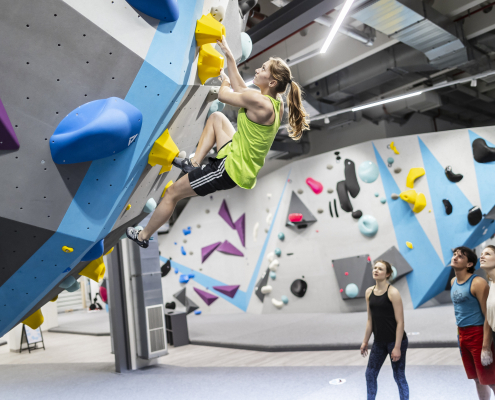
Many younger people are looking for ways to stay active without repeating the same gym routines. Treadmills, weight machines, and standard workout plans can feel monotonous over time. Climbing offers a more dynamic and engaging experience because every route presents a new problem to solve. Instead of simply exercising, people feel like they are playing, exploring, and improving at the same time.
This makes climbing especially appealing to younger generations who value experiences that are both effective and enjoyable. They do not just want to burn calories. They want an activity that keeps their attention and gives them a sense of progress.
The appeal of challenge and self-improvement
One of the strongest reasons younger people try climbing is the desire to test themselves. Climbing is built around progression. A beginner can start with simple routes and gradually move toward more difficult ones. This structure creates a clear sense of growth, which is highly motivating.
For many younger climbers, the reward comes from overcoming fear, mastering technique, and reaching goals that once seemed impossible. Every completed route feels like a small achievement. That feeling of personal victory is often more powerful than competition against others.
Mental health and stress relief
Younger generations are more open than previous ones about mental health, stress, and emotional well-being. Because of this, they are often drawn to activities that support both body and mind. Climbing is frequently seen as an effective outlet for stress because it demands focus and presence.
When someone is on the wall, distractions tend to disappear. Attention shifts toward movement, breathing, balance, and problem-solving. This creates a break from digital overload, academic pressure, work stress, and everyday anxiety. For many, climbing becomes a form of active mindfulness.
A strong sense of community
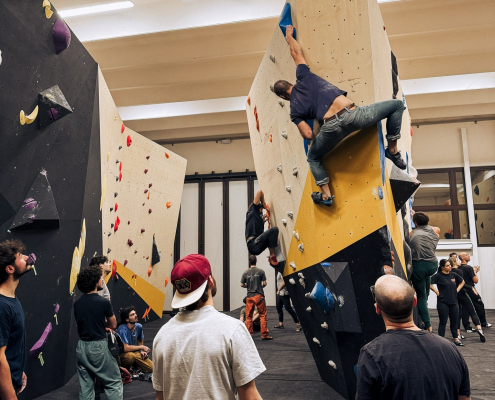
Another major motivation is the social aspect of climbing. Younger generations often seek communities built around shared interests rather than formal institutions. Climbing gyms offer exactly that. They create environments where people can meet naturally, support one another, and celebrate progress together.
Even though climbing can be an individual activity, it rarely feels isolating. People exchange advice, cheer each other on, and build friendships through repeated visits. This welcoming and collaborative atmosphere makes climbing particularly attractive to beginners who want both activity and connection.
A lifestyle that feels authentic
Climbing is not only a sport. For many younger people, it represents a lifestyle. It is associated with adventure, freedom, movement, and authenticity. In a time when many young adults want their hobbies to reflect their identity and values, climbing fits naturally into that search.
It can be practiced indoors or outdoors, casually or seriously, socially or alone. That flexibility allows people to shape the experience around their own personality. Younger generations often value activities that do not force them into a single model of participation, and climbing offers exactly that freedom.
The influence of social media and visual culture
Social media has also played a major role in making climbing more visible and desirable. Climbing is highly visual. Images and videos of colorful walls, dramatic outdoor routes, and breakthrough moments are easy to share and emotionally engaging to watch.
For younger audiences, this visibility lowers the barrier to entry. It makes climbing look accessible, exciting, and modern. At the same time, it helps people discover local gyms, beginner sessions, and climbing communities. In many cases, the first contact with climbing happens online, long before the first visit to a wall.