How sport climbing won over the German Alpine Club, one section at a time – Part II
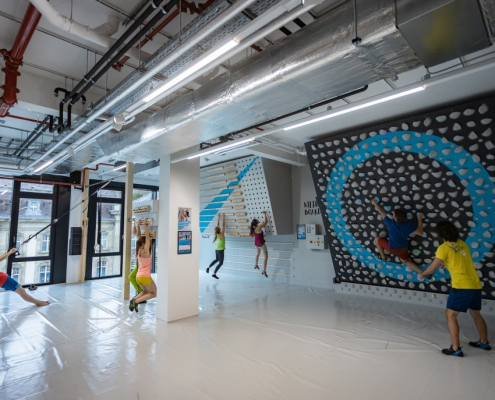
The climbing hall loop
So the loop looks like this:
- halls make participation easy
- participation increases talent pools and youth engagement
- competition visibility legitimizes the sport
- legitimacy attracts more newcomers
- sections invest further in halls and programs
And suddenly the climbing wall isn’t an accessory. It’s a strategy.
Popularity came with friction
Here’s the part a column can admit, without being dramatic: sport climbing’s popularity also created pressure—on cliffs, on local ecosystems, and on climbing ethics.
As more climbers moved from gym to crag, sections and regional working groups became stewards, negotiators, and sometimes referees. The DAV’s materials on bolting and route maintenance emphasize that re-equipping (“Sanierung”) involves stakeholder coordination, current safety knowledge, local ethical standards, and nature conservation rules—and that it often requires significant volunteer effort and funding.
At the same time, regions built formal “kletterkonzepte” (climbing concepts) to balance access and protection. For the northern Frankenjura, these concepts are described as a milestone in cooperation between conservation authorities, environmental groups, and climbers, and they’ve been treated as a model applied beyond the region.
In other words: sport climbing became popular enough that the DAV couldn’t treat it as a personal hobby anymore. It became an organized activity with external impacts—meaning it demanded organized responsibility.